


January 21-24, 2027
Halifax Exhibition Centre
The Ultimate Guide to Winterizing Your RV
Winter is—unfortunately for us campers—right around the corner! As much as we’d all rather pretend the cold isn’t creeping in, now’s the time to make sure your RV is ready for the chill. Winterizing your RV isn’t just another item on the to-do list; it’s one of the best things you can do to protect your home-on-wheels from freezing temperatures, busted lines, and costly repairs once spring rolls back around. With a little prep now, you can tuck your RV in for a cozy, trouble-free winter.
Before you pack away your gear and call it a season, don’t skip these key steps:
RV Winterization Tip 1: Drain the Water System
Drain the Fresh Water Tank: Open the tank drain valve and let all the water out. You may need to open the faucet inside to allow air to flow and help it drain completely.
Drain the Water Heater: Be sure to turn off the water heater and let it cool down before draining it. Open the drain valve at the bottom of the heater to let the water out.
Drain All Water Lines: Open all faucets (hot and cold), including the shower, to let the remaining water out of the lines. Don't forget the outdoor shower, if you have one.
Empty the Holding Tanks: Drain the black and gray water tanks. Open the dump valve and flush until the tanks are empty.
RV Winterization Tip 2: Blow Out the Water Lines
Use an air compressor to blow out any remaining water from the pipes and water lines. Make sure to blow air through all faucets, including the shower and toilet. This step helps to prevent any water from freezing inside the pipes, which could cause them to burst.
RV Winterization Tip 3: Add Antifreeze to the Plumbing System
Use RV Antifreeze (non-toxic): After blowing out the water lines, you need to add RV antifreeze to protect the plumbing system from freezing.
Bypass the Water Heater (if applicable): If your RV has a water heater, make sure to bypass it (many RVs have a bypass valve kit installed) so you don’t waste antifreeze in the water heater tank.
Add Antifreeze to the Plumbing System: Pour antifreeze into the fresh water tank (following the manufacturer’s recommendations for the amount). Then, turn on the water pump and open each faucet, including the toilet and shower, until you see the antifreeze come through. Do this for both hot and cold lines.
Toilet: Don't forget the toilet—flush antifreeze down into the holding tank to protect the seals from freezing.
RV Winterization Tip 4: Protect the Exterior
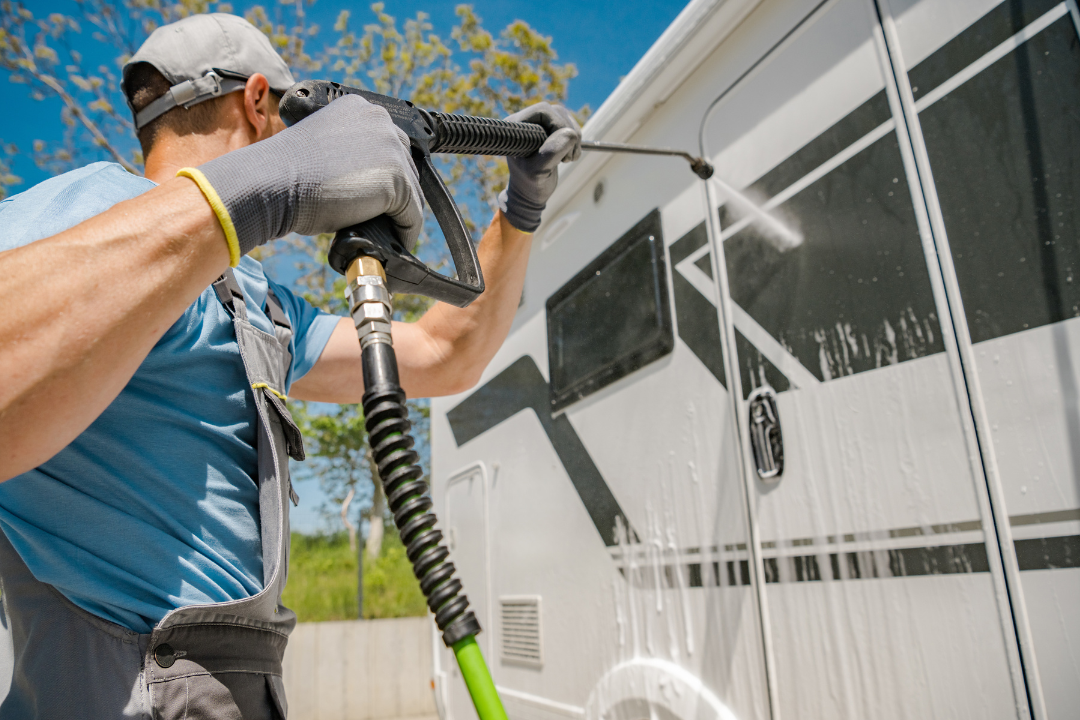
Clean the RV: Wash and wax the exterior of your RV to protect the paint and surfaces from salt, dirt, and moisture.
Cover Vents and Openings: Cover roof vents, windows, and any other exterior openings with vent covers or plastic sheeting to keep moisture and cold air from entering.
Cover Tires: Protect your tires from the sun and cold by covering them or using tire covers. This will help prevent cracking and damage.
RV Winterization Tip 5: Disconnect and Store the Batteries
Remove the Batteries: Disconnect and remove the RV batteries to prevent them from freezing and potentially being damaged. Store them in a cool, dry place, and periodically check the charge throughout the winter.
Clean the Battery Terminals: Before storing the batteries, clean the terminals to prevent corrosion.
RV Winterization Tip 6: Check the Roof and Seals
Inspect the roof for any signs of damage, cracks, or leaks. Apply roof sealant as necessary. Check around all windows, doors, and any other openings for cracked or worn seals and replace them to prevent water from entering.
RV Winterization Tip 7: Protect Interior Areas
Prevent Freezing in the Cabin: You can use moisture-absorbing products like silica gel packs or dehumidifiers to reduce moisture and prevent mold growth inside the RV.
Cover Upholstery: If your RV will be in storage for the winter, consider covering the furniture to protect it from dust and moisture. Use breathable covers or sheets to avoid trapping moisture underneath.
RV Winterization Tip 8: Check the Propane System
Close the Propane Tank Valves: Turn off all propane appliances and close the valves on the propane tanks. If possible, remove the propane tanks and store them in a safe, well-ventilated area away from the RV.
Inspect the Propane System: Check hoses and connections for any leaks or wear, and repair or replace as needed.
RV Winterization Tip 9: Storage Location
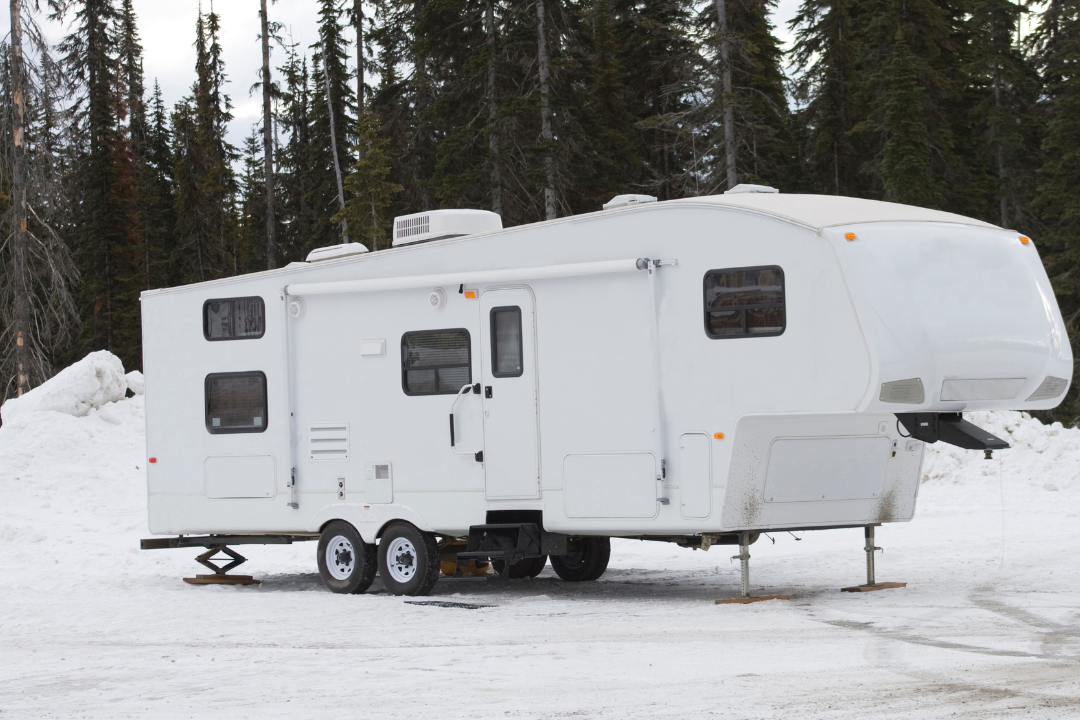
Store the RV in a Shelter (if possible): If you can, store your RV in a garage, carport, or RV cover to protect it from the elements. If storing outside, use an RV cover to shield it from snow, ice, and wind.
Elevate the RV (Optional): If you're storing your RV long-term, consider using RV jacks or blocks to lift the RV off the ground slightly to avoid flat spots on the tires.
RV Winterization Tip 10: Inspect Everything Before You Go
Before winterizing, double-check everything and make sure all steps are completed. A full inspection now will save you headaches come spring when you de-winterize and get your RV ready to go.
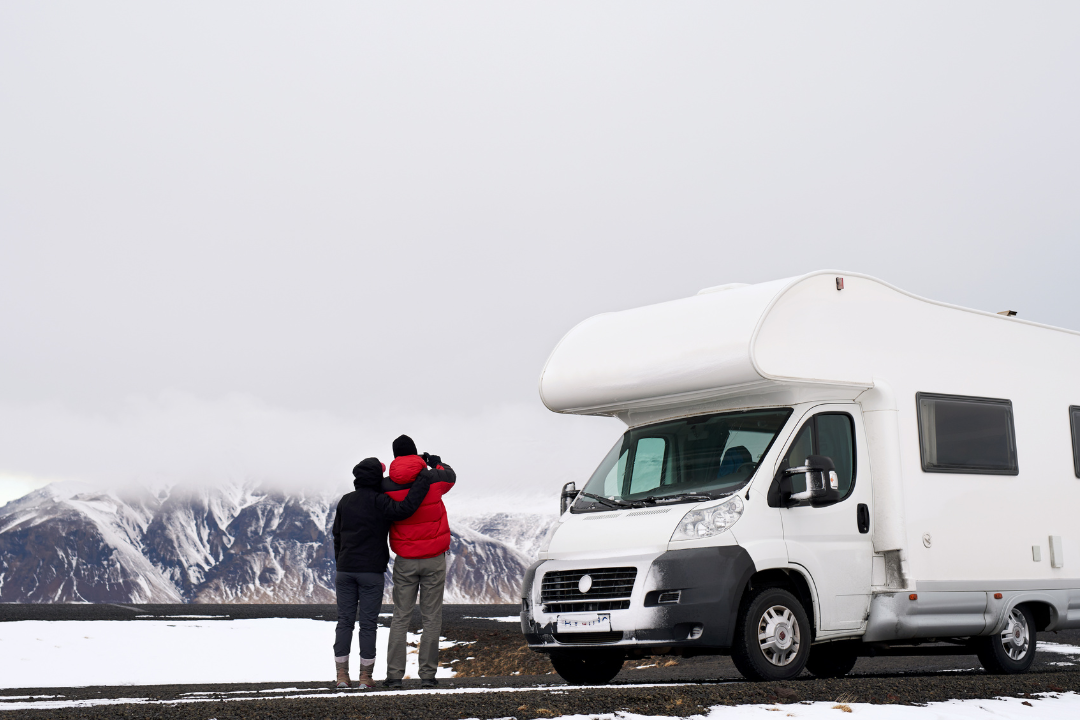
Winterizing your RV may seem like a lot of work, but it’s a critical step in protecting your investment and ensuring it’s ready to hit the road when the weather warms back up next spring. Taking the time to do it thoroughly will save you from expensive repairs down the line.
THANK YOU TO OUR SPONSORS AND PARTNERS:
Presenting Sponsor:

Sponsors & Partners:

INDUSTRY RELATED EVENTS